Why Credit Scores Matter More Than Ever in 2025
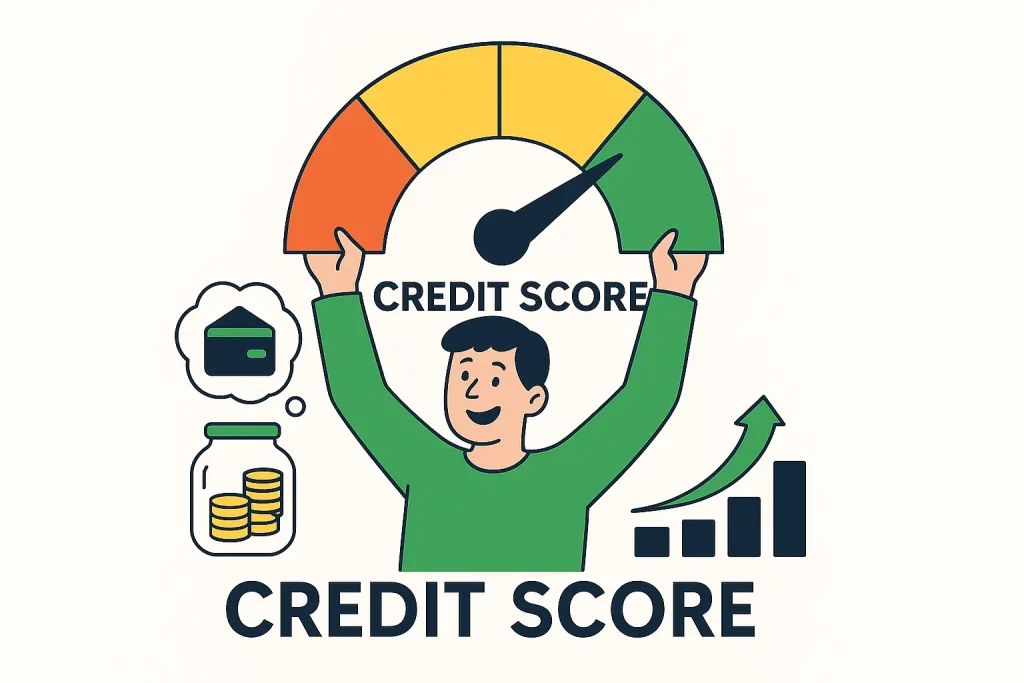
Your credit score is one of the most powerful numbers in your financial life. It determines whether you get approved for a loan, what interest rate you’ll pay, and sometimes even if you land a job or qualify for an apartment.
In 2025, credit scores matter more than ever:
- The average credit card APR is above 20% (NerdWallet, 2025) — meaning bad credit makes borrowing even more expensive.
- Landlords and employers are increasingly checking credit histories as part of applications.
- A higher score can save you tens of thousands of dollars in lower interest over a lifetime.
The good news? Your credit score isn’t fixed. With the right steps, you can know how to improve your credit score fast and put yourself in a stronger financial position.
In this guide, we’ll break down:
- What makes up your credit score.
- The 7 most effective ways to raise it in 2025.
- Mistakes to avoid.
- FAQs about timelines and strategies.
By the end, you’ll know exactly how to take control of your credit — and your financial future.
What Is a Credit Score?
A credit score is a three-digit number that represents your creditworthiness — basically, how risky it is to lend you money. Lenders, landlords, and sometimes even employers use it to decide whether to approve you and on what terms.
According to the Consumer Financial Protection Bureau (CFPB), credit scores summarize how likely you are to repay borrowed money on time
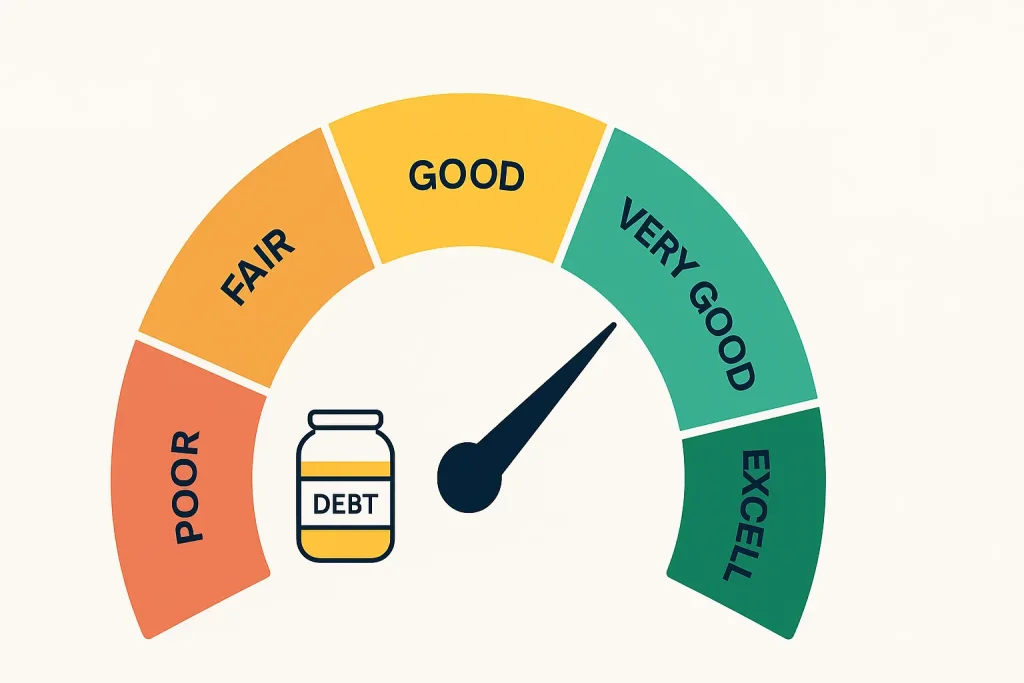
Credit Score Ranges (FICO Model)
Most lenders use FICO® Scores, which range from 300 to 850:
| Score Range | Rating | What It Means |
|---|---|---|
| 300–579 | Poor | High risk; hard to qualify for credit. |
| 580–669 | Fair | Below average; higher interest rates likely. |
| 670–739 | Good | Average; most approvals possible. |
| 740–799 | Very Good | Better rates and approvals. |
| 800–850 | Exceptional | Best rates, best approvals, financial flexibility. |
FICO vs. VantageScore
- FICO: Used in over 90% of lending decisions.
- VantageScore: Similar model, also ranges 300–850, used by some free apps like Credit Karma.
Both scores consider similar factors, but FICO tends to carry more weight with banks and mortgage lenders.
What Makes Up Your Credit Score?
- Payment History (35%) → Do you pay bills on time?
- Credit Utilization (30%) → How much of your available credit are you using?
- Length of Credit History (15%) → How long you’ve had accounts.
- Credit Mix (10%) → Variety of accounts (cards, loans, mortgage).
- New Credit Inquiries (10%) → How often you apply for new credit.
Why Your Credit Score Matters in 2025
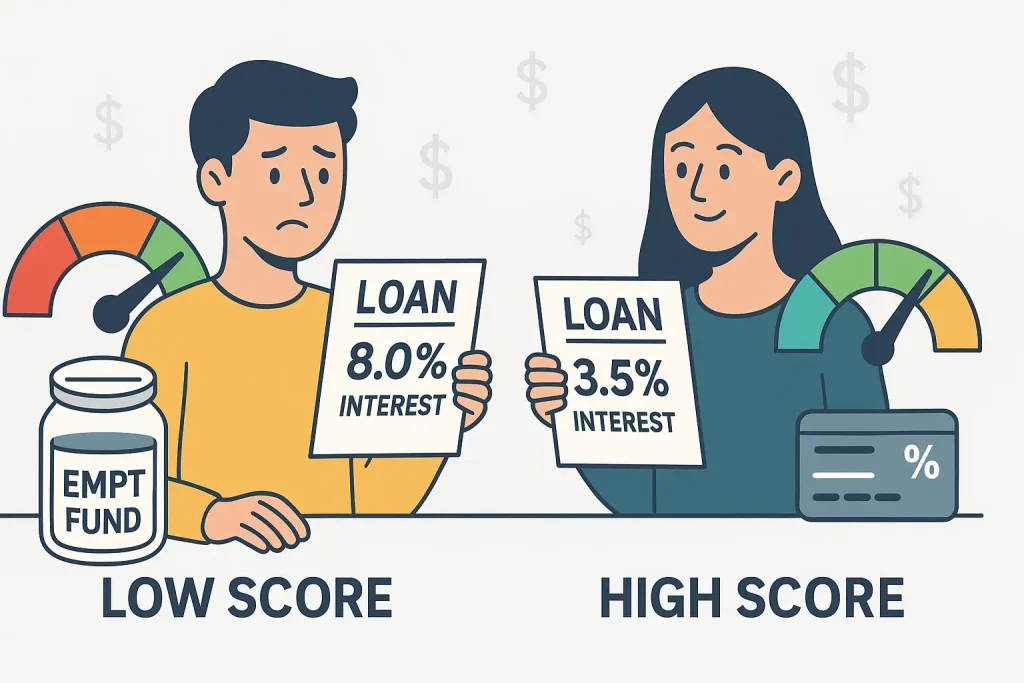
Your credit score isn’t just a number — it’s the key to your financial freedom. In 2025, a strong score can unlock opportunities and save you money, while a weak score can cost you thousands.
1. Loan & Credit Approvals
Banks and lenders rely heavily on credit scores to approve applications.
- High Score (740+): Easy approval for mortgages, auto loans, and credit cards.
- Low Score (below 580): Rejections or limited approval with sky-high rates.
2. Interest Rates
Your credit score directly impacts the cost of borrowing.
- Example: On a $250,000 30-year mortgage, the difference between a “Good” and an “Excellent” score could mean paying $40,000+ more in interest over the life of the loan.
3. Renting an Apartment
Landlords often pull credit reports.
- A higher score shows reliability and makes it easier to secure a lease.
- A low score may require higher security deposits or co-signers.
4. Employment Background Checks
Some employers, especially in finance and security roles, review credit reports as part of the hiring process. Poor credit can hurt job opportunities.
5. Insurance Premiums
In many states, insurers factor in credit history when setting auto and home insurance premiums. Better credit = lower monthly bills.
Takeaway: A good score saves you money and opens doors. This is why learning how to improve your credit score in 2025 should be a top financial priority.
Step 1: Check Your Credit Report
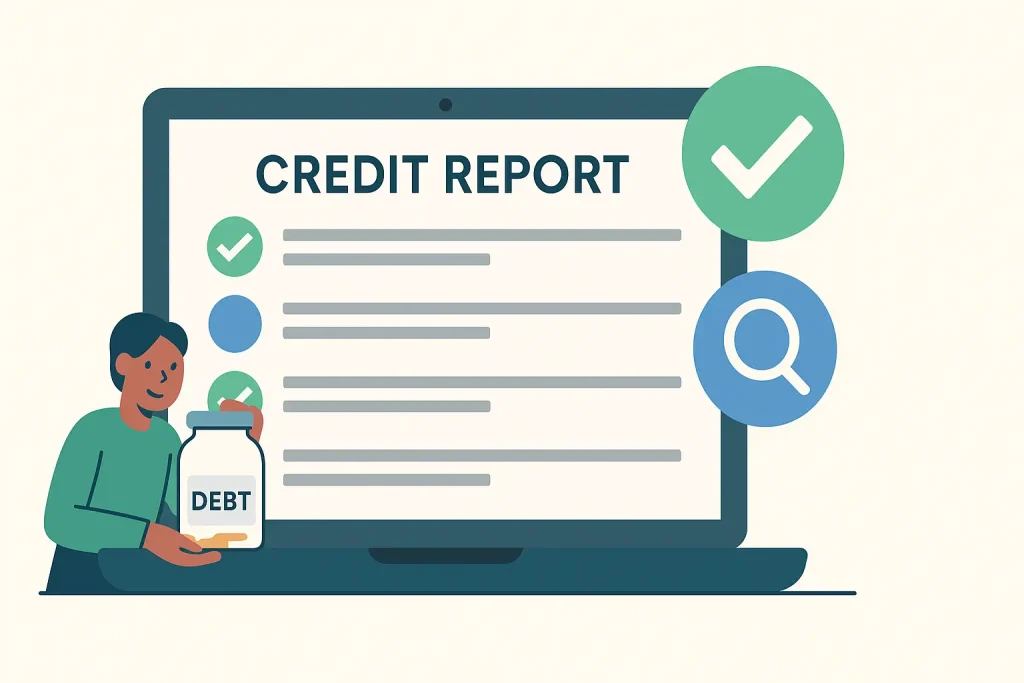
The first step in how to improve your credit score is knowing where you stand. You can’t fix what you don’t measure.
1. Get Your Free Annual Report
By law, you’re entitled to one free report per year from each of the three major credit bureaus: Experian, Equifax, and TransUnion.
- 👉 Access them at AnnualCreditReport.com (the only official government-authorized site).
- In 2025, they still allow weekly online checks (a pandemic-era benefit that continued).
You can request a free copy of your credit report each year from AnnualCreditReport.com — the only government-authorized source for free reports.
2. Look for Errors
Review your reports carefully. Common mistakes include:
- Accounts that don’t belong to you.
- Wrong balances or payment histories.
- Old negative items that should’ve dropped off (most fall off after 7 years).
👉 If you find errors, dispute them with the credit bureau. Fixing mistakes can raise your score quickly.
3. Use Credit Monitoring Tools
Apps like Credit Karma, Experian, or NerdWallet let you track your score and get alerts for changes. These are great for spotting fraud early.
Pro Tip: Checking your own credit report doesn’t hurt your score. It’s considered a soft inquiry. Only lender “hard inquiries” impact your credit.
Step 2: Pay Bills on Time

The single most important factor in how to improve your credit score is paying your bills on time. In fact, payment history makes up 35% of your FICO score — more than any other factor.
Why On-Time Payments Matter
- Just one missed payment (30 days late) can drop your score by 60–100 points.
- Late payments stay on your report for up to 7 years, although the impact lessens over time.
- Consistent on-time payments build trust with lenders and steadily improve your score.
How to Never Miss a Payment
- Set Up Autopay: Link your checking account to credit cards, loans, and utilities.
- Use Reminders: Calendar alerts or banking app notifications keep you on track.
- Prioritize Due Dates: If your payday doesn’t line up with your due dates, ask lenders to adjust them.
Build a Positive History
- Even small accounts like phone bills or secured credit cards can help if paid on time.
- Services like Experian Boost allow you to add utility and streaming payments to your credit file, giving your score an extra lift.
Pro Tip: If you’ve missed payments in the past, start fresh now. Each month of on-time payments helps offset old mistakes and shows lenders you’re reliable.Step 2: Pay Bills on Time
The single most important factor in how to improve your credit score is paying your bills on time. In fact, payment history makes up 35% of your FICO score — more than any other factor.
Why On-Time Payments Matter
- Just one missed payment (30 days late) can drop your score by 60–100 points.
- Late payments stay on your report for up to 7 years, although the impact lessens over time.
- Consistent on-time payments build trust with lenders and steadily improve your score.
How to Never Miss a Payment
- Set Up Autopay: Link your checking account to credit cards, loans, and utilities.
- Use Reminders: Calendar alerts or banking app notifications keep you on track.
- Prioritize Due Dates: If your payday doesn’t line up with your due dates, ask lenders to adjust them.
Build a Positive History
- Even small accounts like phone bills or secured credit cards can help if paid on time.
- Services like Experian Boost allow you to add utility and streaming payments to your credit file, giving your score an extra lift.
Pro Tip: If you’ve missed payments in the past, start fresh now. Each month of on-time payments helps offset old mistakes and shows lenders you’re reliable.
Step 3: Lower Your Credit Utilization
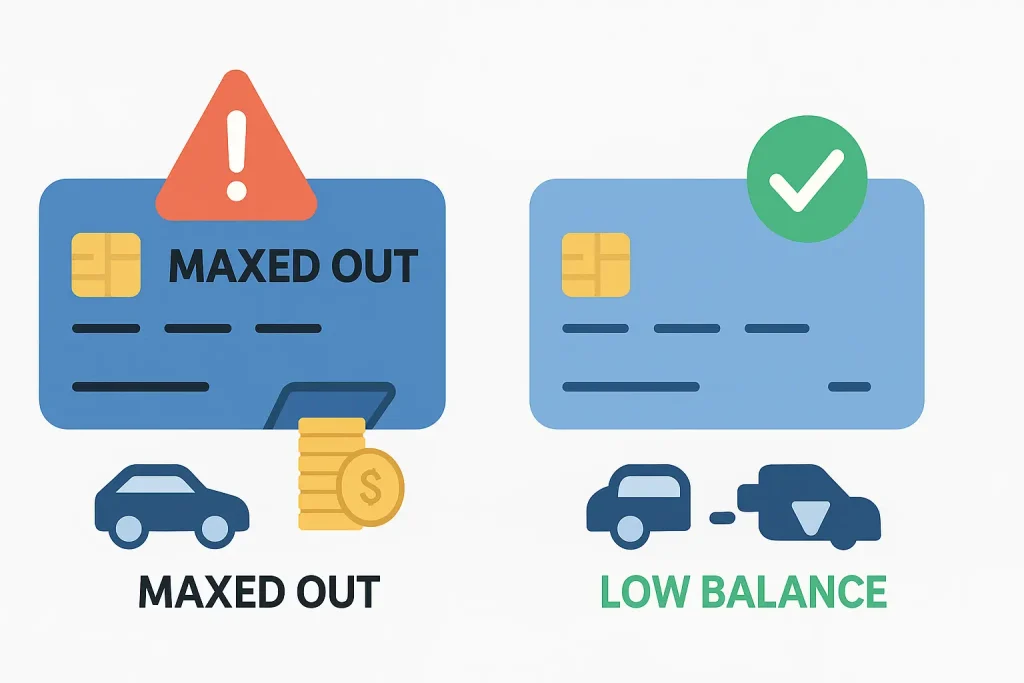
The second-biggest factor in how to improve your credit score is your credit utilization ratio — which makes up 30% of your FICO score.
What Is Credit Utilization?
Credit utilization is the percentage of your available credit that you’re using.
- Formula: (Credit Card Balances ÷ Total Credit Limits) × 100
- Example: If you have a $10,000 credit limit and owe $3,000 → your utilization is 30%.
The Ideal Utilization Rate
- Experts recommend keeping utilization below 30%, but the lower, the better.
- The fastest way to boost your score is to aim for under 10% utilization.
How to Lower Credit Utilization
- Pay Balances Early: Don’t wait until the due date. Pay before the statement closes to reduce reported balances.
- Make Multiple Payments: Split your payments across the month to keep balances low.
- Ask for a Higher Credit Limit: If your spending is under control, raising your limit reduces your ratio instantly.
- Spread Out Purchases: Use multiple cards lightly instead of maxing out one.
Quick Example
- Person A: $9,000 balance on $10,000 limit → 90% utilization = poor score impact.
- Person B: $2,000 balance on $10,000 limit → 20% utilization = positive score impact.
Pro Tip: Even if you pay in full each month, high balances reported mid-cycle can still hurt your score. Pay early or make extra payments to keep reported balances low.
Step 4: Don’t Close Old Accounts
When it comes to how to improve your credit score, many people make the mistake of closing old credit cards or accounts once they’re paid off. But this can actually hurt your score.
Why Old Accounts Matter
- Credit history length makes up 15% of your FICO score.
- The longer your accounts have been open, the more history lenders can see.
- Closing old accounts reduces your average account age, which can lower your score.
Example
- Person A has 3 credit cards open for 10 years, 7 years, and 2 years. Average age = 6.3 years.
- If they close the 10-year-old card, average age drops to 4.5 years → score dips.
When You Might Close an Account
- If the card has a high annual fee and you don’t use it.
- If the account tempts you to overspend.
Otherwise, it’s better to keep it open with a zero balance.
How to Keep Old Accounts Active
- Make a small purchase (like a streaming subscription) once a month.
- Pay it off automatically.
- This keeps the account active and reporting positively.
Pro Tip: Instead of closing accounts, keep them open and unused. Old accounts with long positive history are gold for your credit score.
Step 5: Mix of Credit Types
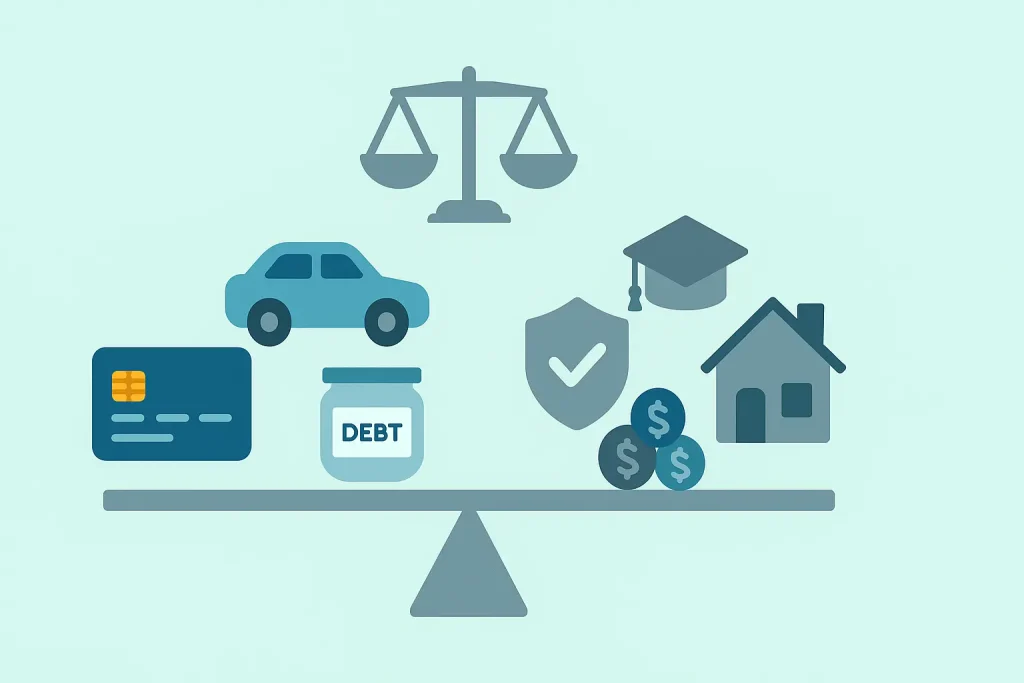
A healthy credit profile isn’t just about paying on time — it’s also about showing you can manage different types of credit. Your credit mix makes up about 10% of your FICO score, and it plays a role in how to improve your credit score effectively.
What Is Credit Mix?
Lenders like to see that you can handle a variety of accounts responsibly, such as:
- Revolving credit: Credit cards, store cards, lines of credit.
- Installment credit: Auto loans, student loans, mortgages, personal loans.
Why It Matters
- If you only have credit cards, your profile looks one-dimensional.
- Adding an installment account (like a small personal loan or a credit builder loan) can diversify your mix.
- Likewise, if you only have loans, adding a credit card and using it responsibly can help.
Easy Ways to Improve Your Mix
- Secured Credit Card: Great for beginners or rebuilders. Small deposit, low risk, helps establish revolving credit.
- Credit Builder Loan: Offered by many credit unions and fintech apps. Payments are reported monthly to bureaus.
- Authorized User: Get added to a family member’s card with a long history and good payment record.
Pro Tip: Don’t take on debt you don’t need just for credit mix. But if you’re rebuilding, a secured card or builder loan can speed up how to improve your credit score.
Step 6: Limit Hard Inquiries
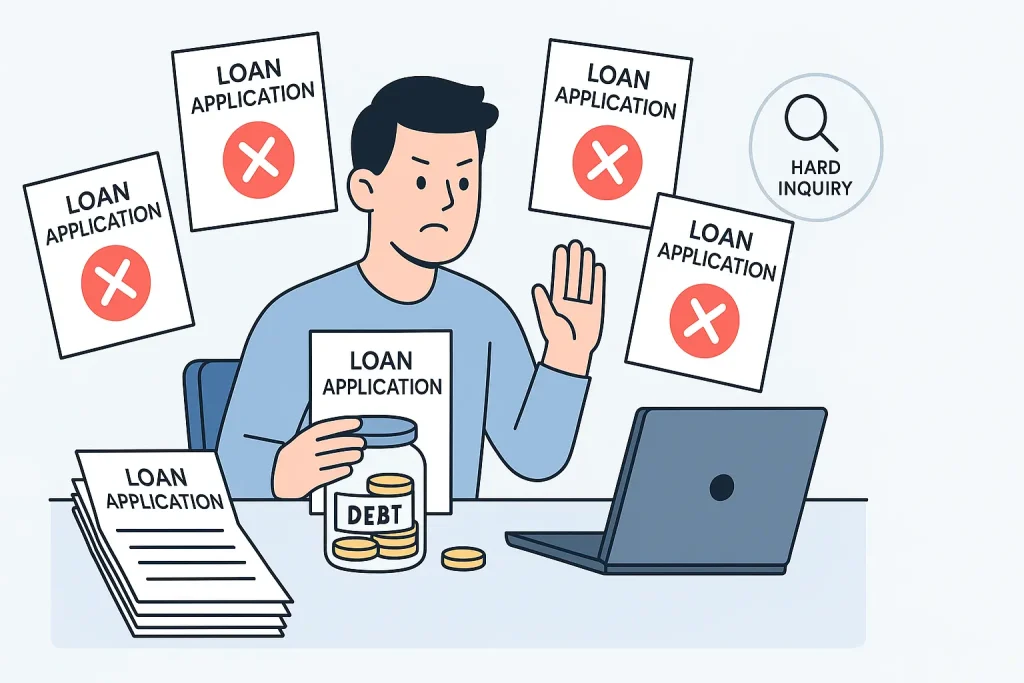
Another important step in how to improve your credit score is managing new credit applications carefully. Every time you apply for a loan or credit card, the lender performs a hard inquiry — and too many of these can hurt your score.
How Hard Inquiries Work
- Hard Inquiry: Lender pulls your credit report when you apply for new credit.
- Each one can temporarily lower your score by 5–10 points.
- Multiple inquiries in a short time can signal risk to lenders.
When Hard Inquiries Don’t Matter
- Soft Inquiries (like checking your own credit or pre-qualifications) don’t affect your score.
- Rate Shopping Window: Multiple inquiries for the same type of loan (like mortgage or auto) within 14–45 days usually count as one inquiry.
How to Avoid Unnecessary Dings
- Apply Strategically: Don’t apply for several credit cards at once.
- Check Pre-Qualification: Use pre-approval tools to see odds before applying.
- Space Out Applications: Wait at least 6 months between credit card applications.
Pro Tip: Hard inquiries have the biggest effect when your credit file is thin. If you’re rebuilding and want to focus on how to improve your credit score, limit new applications to essentials only.
Step 7: Use Tools to Rebuild and Grow Credit
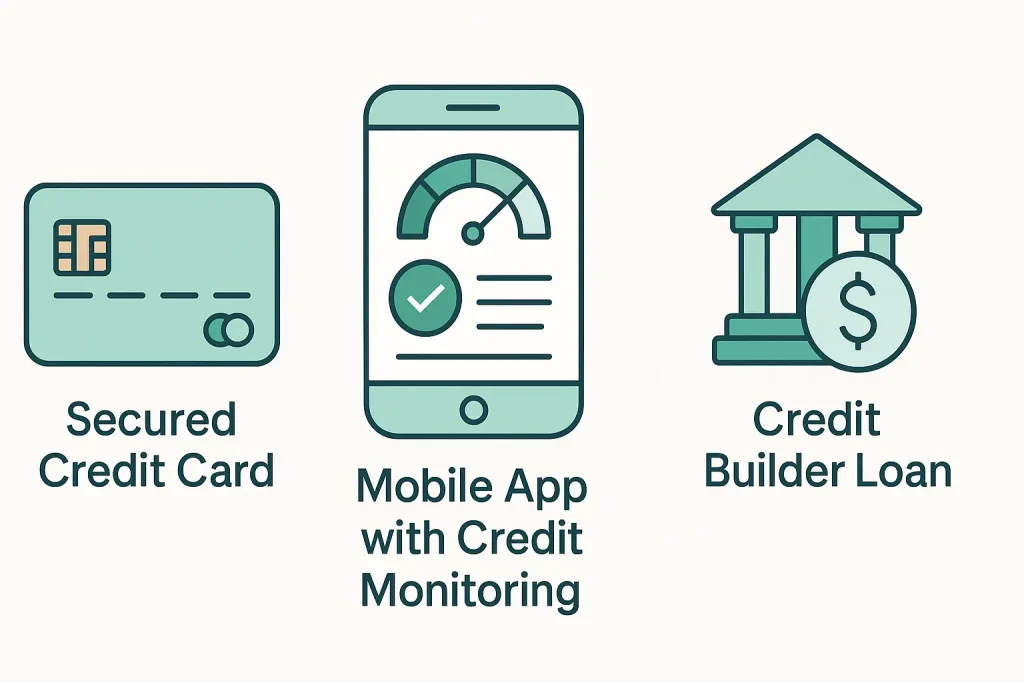
If you’re serious about how to improve your credit score, sometimes the smartest move is to use financial tools designed to help rebuild or strengthen your profile.
1. Secured Credit Cards
- Require a small deposit (usually $200–$500).
- Work like normal credit cards, but your deposit acts as collateral.
- Reports to all three credit bureaus → builds positive history.
- Example: Discover it® Secured or Capital One Platinum Secured.
2. Credit Builder Loans
- Offered by many credit unions and online banks.
- Instead of borrowing money upfront, you make monthly payments into a savings account.
- At the end, you get your savings back — plus a record of on-time payments.
3. Credit Monitoring Apps
- Apps like Experian, NerdWallet, or Credit Karma let you track your score, receive alerts, and get personalized tips.
- Some even simulate how actions (like paying down debt or adding a card) might impact your score.
4. Rent & Utility Reporting Services
- Tools like Experian Boost or Self can add payments you’re already making (rent, utilities, streaming services) to your credit file.
- This can give your score a quick lift with no extra borrowing.
Pro Tip: Use these tools strategically. They work best when paired with the fundamentals — on-time payments and low utilization. Together, they supercharge how to improve your credit score in 2025.
Common Mistakes to Avoid
When working on how to improve your credit score, many people accidentally make moves that backfire. Avoid these common pitfalls:
- Paying Only Minimums
- Keeps balances high and utilization ratio inflated.
- Always pay more than the minimum when possible.
- Closing Old Accounts
- Shortens your credit history and can raise utilization.
- Keep old accounts open unless they cost you money.
- Maxing Out Cards
- Even if you pay in full, maxed-out cards look risky to lenders.
- Keep balances under 30% of the limit.
- Applying for Too Much Credit
- Multiple hard inquiries in a short period hurt your score.
- Be selective about applications.
- Ignoring Credit Reports
- Errors and fraud are more common than most realize.
- Always check reports at least once per year.
FAQs: How to Improve Your Credit Score
1. How fast can I raise my credit score?
Some improvements (like paying down balances or fixing errors) can boost your score in 30–60 days. Bigger changes (like building history) take 6–12 months.
2. What’s a good credit score in 2025?
- Good: 670+
- Very Good: 740+
- Excellent: 800+
3. Can paying off debt improve my score?
Yes — reducing balances lowers utilization, which is 30% of your score. But don’t close the accounts after payoff.
4. How long do negative marks stay?
Most late payments and collections stay for 7 years. Bankruptcies may remain for 7–10 years.
5. Do rent or utility payments count?
Yes — if you use services like Experian Boost or credit reporting apps that add them to your file.
Take Control of Your Credit in 2025
Improving your credit score isn’t complicated — it just takes consistency and smart choices.
Here’s the 7-step roadmap:
- Check your credit reports.
- Pay bills on time.
- Lower your credit utilization.
- Don’t close old accounts.
- Diversify your credit mix.
- Limit hard inquiries.
- Use tools like secured cards and builder loans.
👉 Ready to take the next step?
- Learn How to Pay Off Debt Fast in 2025.
- Read 25 Practical Ways to Save Money Every Month.
- Build your Emergency Fund in 2025.
By following these strategies, you’ll not only know how to improve your credit score, but also save money, reduce stress, and open up new financial opportunities for the future.